What New Zealand employers should check before relying on a lone worker alarm
Working alone can be routine, predictable work. A site visit, an evening shift, a home call, a stock check in a quiet part of a building. The risk sits in the gap between something going wrong and someone knowing that it has gone wrong. A lone worker alarm is meant to shorten that gap, but the device only helps when the surrounding plan is clear.
For New Zealand employers, the starting point is the work itself, not the product. Walk through the tasks where a person is on their own and ask what could happen: a fall, a medical issue, a confrontation, a vehicle problem, a machine fault, or simple loss of contact. Then look at how quickly help could arrive and who would be responsible for acting. Those answers shape the settings, the response plan and the level of device needed.
Start with the hazard, not the device
A useful assessment separates the chance of an incident from the harm it could cause. Low chance does not always mean low risk. If the outcome could be severe, a reliable way to raise help still matters. Consider the setting as it really is, including quiet hours, remote pockets of a site, travel between jobs, weather, access roads and whether the worker can use a phone at the time.
Pay attention to tasks where a person might be unable to press a button. Carrying equipment, working in a confined space, driving, climbing, or handling a distressed customer can all limit movement. That is where features such as man down detection, fall detection and two way voice become more than extra functions. They give the worker options when normal communication is difficult.
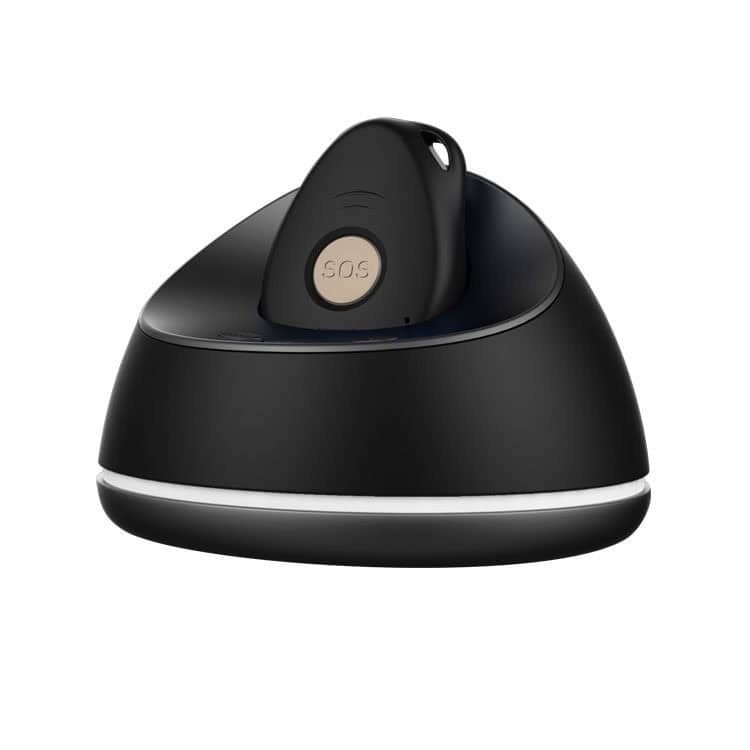
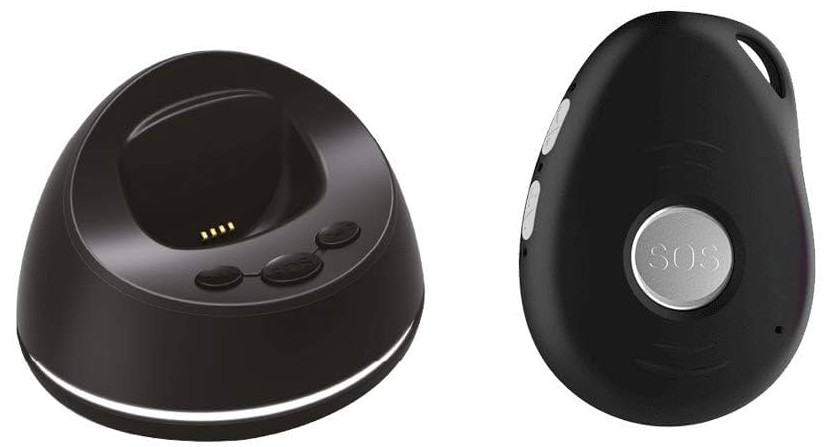
Points to check before choosing a lone worker alarm
- Can the worker raise an SOS quickly? The SOS button should be easy to find by feel, not just visible in good light. Gloves, pockets, bags and body position all affect access.
- Will the alert reach the right person? An alarm is only useful if it goes to a nominated contact or monitoring point with authority to act, including after hours.
- Does the alert carry enough detail? GPS location can help a responder head in the right direction, but its accuracy varies with surroundings. Check how location is shared and what happens when it is unavailable.
- Can two way voice work in the real setting? Voice contact can confirm whether an incident is serious, but noise, poor signal and privacy may reduce its value. Decide when voice is appropriate and when it is not.
- Are automatic alerts matched to the task? Man down and fall detection can support workers who may not be able to call for help. They should be considered alongside manual alerts, not treated as a replacement for them.
These points are not about collecting the longest feature list. They are about matching the device to the moments when a worker needs help and to the response that follows. A simple device with a well understood process can be more useful than a complex device no one has practised using.
Check the response path from end to end
The alarm begins a chain. The worker raises an alert, the alert is received, someone assesses it, someone contacts the worker, and help is arranged if needed. Each link needs an owner. In the assessment, write down who is the nominated contact for each shift, what they do when an alert arrives, and what they do if they cannot make voice contact. Avoid vague wording such as "a manager will deal with it". Name the role and the fallback.
Think about hours that do not follow a normal office pattern. Early mornings, late finishes, weekends and public holidays can expose gaps in the emergency procedure. If alerts arrive when no one is watching, the device becomes a noisy accessory rather than a safety control. A practical plan includes cover for those times, plus a clear route for escalating to emergency services where appropriate.
The goal is immediate alerts for lone workers, followed by immediate decisions. Fast notification without a response plan can create uncertainty, especially when the worker is not answering. The person receiving the alert needs to know whether silence means danger, poor signal, a dead battery or a worker who simply pressed the wrong control.
Check signal, location and privacy together
Coverage is rarely uniform. A site may have strong mobile signal at the entrance and weak signal in a basement, behind heavy structures or in a rural area. GPS location can also be less reliable indoors or among tall buildings. None of this means the device is useless. It means the assessment should record where limitations exist and what the worker does in those places.
Where signal is weak, the response plan may rely more on scheduled check ins, a nearby colleague, or a change in work arrangement. Where location accuracy is limited, the nominated contact may need a clear description of the worker's planned route or area. These details are mundane, but they make alerts easier to interpret under pressure.
Location tracking also raises privacy questions. Employers should be clear about when location is available, who can see it and why. Workers are more likely to accept a device when its purpose is tied to safety rather than general monitoring. Clear boundaries help keep trust intact and reduce the chance that people leave the device behind.
Check how the device behaves during a normal shift
A lone worker alarm that is awkward to carry tends to stay in a drawer or vehicle. Look at the practical details: weight, size, clip strength, strap options, button layout, battery life and charging routine. The worker may be wearing high visibility clothing, wet weather gear or gloves. The device should still be reachable and usable in those conditions.
Battery routine deserves a firm place in the assessment. A device that is not charged before a shift cannot raise help. Decide who charges it, when charging happens, and what the worker does if the unit shows a low battery. Spare units or a backup method of contact may be sensible for long shifts or travel.
Training should be short, repeatable and grounded in real tasks. Workers need to know how to raise an alert, how to cancel a false alert, how voice contact works and what happens after they press the SOS button. Supervisors need a different kind of practice: recognising alerts, recording them, escalating them and following up afterwards.
Check what happens after an alert
Every alert should lead to a defined response, even when it turns out to be harmless. False alerts are not a nuisance to ignore. They show how the device is used, whether controls are too sensitive, and where training may need adjustment. A record of alerts and outcomes can reveal patterns, such as repeated signal problems at one location or confusion about cancellation.
The assessment should also cover what happens when a worker does not check in or does not respond to contact. An alarm is one control among several. Scheduled contact, clear shift expectations and a nominated contact who knows the worker's plan all reduce the chance of a delayed response.

Review the arrangement when the work changes. New routes, new hours, a different site layout or a change in staffing can alter the risk quickly. A short review after any incident or near miss is useful, but a regular review keeps the plan from drifting. The question to keep asking is simple: if this worker could not speak or move, would the current arrangement still bring help?
Good decisions come from joining the technical features to human routine. SOS button access, GPS location, two way voice, man down and fall detection all have a role, but none works alone. The strongest assessment shows how the worker can signal, how the alert is received, who responds, and what happens when the first plan fails. That is what turns a device into a workable safety control for people working alone.